
There’s something really special about a good basket of fries, right? That perfect crisp on the outside, soft on the inside. For a lot of people, Buffalo Wild Wings’ fries have that something extra, a taste that makes them stand out. Many folks wonder what gives them that unique flavor and texture.
Turns out, a big part of it might be an old-school ingredient: beef tallow. It’s a traditional fat that some places are bringing back, and it really changes how food tastes. It brings back that rich, deep flavor many remember from growing up, or just a taste that feels comforting.
The talk about Buffalo Wild Wings fries and beef tallow has been growing, and lots of food fans want to know the real story. Are they using it? Does it make a difference? We’re going to look into all that and more, so you can get a better idea of what makes these fries a favorite for so many.
Key Takeaways
- Buffalo Wild Wings uses a blend of beef shortening and vegetable oil for their fries, with the beef shortening containing beef fat, often referred to as tallow.
- Beef tallow is rendered beef fat, known for its high smoke point and ability to create a rich, savory flavor and crispy texture in fried foods.
- The inclusion of beef tallow in their fry blend contributes to the distinctive taste and texture that many customers enjoy.
- While tallow adds flavor, it means the fries are not suitable for vegetarian or vegan diets due to the animal fat content.
- Tallow is a versatile cooking fat that can be used in various dishes beyond fries, including searing meats and preparing baked goods.
The Enduring Appeal of Crispy Fries
The Universal Love for Fries
There’s just something about a good fry, isn’t there? That perfect balance of a crispy exterior giving way to a soft, fluffy inside. It’s a simple pleasure that most people can agree on.
Whether you prefer them thin and crunchy or thick and hearty, fries have a way of making almost any meal feel more complete.
They’re often the first thing people reach for, and for good reason. That salty, warm goodness is just comforting. It’s not just a side dish; for many, fries are a star player.
Buffalo Wild Wings’ Distinctive Fry Offering
Buffalo Wild Wings is famous for its wings and sauces, but their fries have a dedicated following too. They have a unique shape and a special seasoning that makes them stand out.
Many customers say they taste different from fries at other places, and it’s a flavor that keeps them coming back. The seasoning blend gives them a tangy, savory kick that pairs well with all the wing sauces.
But beyond the seasoning, people often talk about how they’re cooked, which is where the idea of beef tallow comes up, potentially explaining that special texture and deeper flavor that sets them apart.
Many people say they have a flavor that’s different from other fast-casual restaurants. It’s a taste that, you know, keeps people coming back.
It’s interesting how a simple side dish can generate so much discussion. If you’re curious about making something similar at home, you might find these Buffalo Wild Wings-style potato wedges helpful.
Unpacking the Tallow Transformation
What Exactly Is Beef Tallow?
So, what exactly is beef tallow? Simply put, it’s rendered beef fat. The process involves slowly heating beef fat until it melts, and then the impurities are strained out.
What’s left is a pure, stable fat that’s solid when it’s at room temperature. For a long time, this was a really common cooking fat in kitchens everywhere. People used it for frying, baking, and even making candles. It’s a pretty traditional ingredient, in many ways.
Why Tallow Excels in Frying
Tallow is a great choice for deep frying for a few solid reasons. First off, it has a high smoke point. This means it can get really hot without burning, which is super important for getting food crispy without making it taste burnt. That’s a key factor for good fries, you know.
Second, and maybe more importantly for flavor, it gives whatever’s cooked in it a rich, savory taste. People often describe this flavor as “beefy” or “umami.” It coats the food, making it taste more substantial and satisfying. This is why it makes such a big difference for fries.
It also helps create a wonderfully crispy exterior, which is a nice bonus. Many restaurants, like some Buffalo Wild Wings locations, use it for this very reason to get that classic taste. Buffalo Wild Wings in San Diego is one example where they cook their wings in tallow.
Here’s a quick look at why tallow is good for frying:
- High Smoke Point: Can reach high temperatures without burning, leading to crispier food.
- Rich Flavor: Imparts a savory,
The Big Question: Does Buffalo Wild Wings Use Beef Tallow?
So, the million-dollar question on everyone’s mind: are those delicious Buffalo Wild Wings fries actually cooked in beef tallow? It’s a topic that gets people talking, and for good reason.
The flavor and texture are definitely something special, and many suspect a traditional fat like tallow is the secret ingredient. It’s not just about a crispy fry; it’s about that specific, almost nostalgic taste that many associate with really good fries.
Understanding Buffalo Wild Wings’ Fry Fat Blend
Okay, let’s get down to it. Buffalo Wild Wings has stated that they use a blend for their fries. It’s not a simple, single-ingredient oil. Instead, they use a mix that includes beef shortening and vegetable oil.
This blend is key to achieving that signature taste and crunch that customers have come to expect. It’s a deliberate choice to get that specific flavor profile.
The Role of Beef Shortening in Their Fries
Now, what exactly is this “beef shortening”? Think of it as a product that contains a significant amount of beef fat, essentially making it a form of beef tallow or something very close to it.
So, while it might not be 100% pure tallow, it definitely includes that beef fat element. This is where the characteristic flavor and texture really come from. It’s this inclusion that sets their fries apart from places that might only use vegetable oils.
The use of beef shortening in their fry blend is a significant factor in the unique taste and texture of Buffalo Wild Wings fries, providing a richness and crispness that many consumers find appealing and memorable.
- Flavor: The beef fat contributes a savory depth.
- Texture: It helps create a superior crispiness.
- Tradition: It taps into a more old-school way of frying.
This combination is what many believe gives the fries that extra something, that satisfying taste that keeps people coming back for more. It’s a smart way to get that classic fry experience.
Flavor Profile: How Tallow Enhances Buffalo Wild Wings Fries
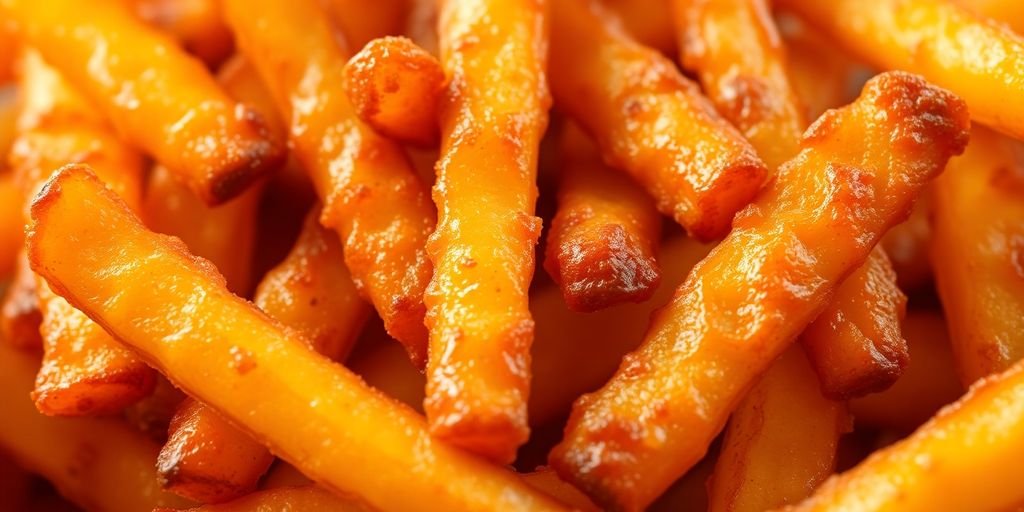
The Savory Depth Tallow Imparts
There’s a certain richness to fries cooked with beef tallow that you just don’t get with other oils. It’s not just about being salty; it’s a deeper, more satisfying flavor. Think of it as a subtle, savory undertone that makes each bite more interesting.
This is the kind of taste that many people associate with classic, old-school fries, the kind that really stick with you.
Achieving That Classic Fry Texture
When it comes to texture, tallow is a real game-changer. It helps create an incredibly crisp exterior on the fries, that perfect crunch you’re looking for. But here’s the neat part: it manages to do this while keeping the inside of the fry soft and fluffy. This contrast between the crispy outside and the tender inside is what makes a truly great fry. It’s a textural experience that’s hard to beat.
Complementing Bold Wing Sauces
The savory quality that tallow brings to the fries makes them a fantastic partner for Buffalo Wild Wings’ famous sauces. The richness of the beef fat provides a nice balance to the bold, often spicy or tangy flavors of the wings.
It gives you something hearty and grounding to enjoy alongside those intense wing flavors. It really ties the whole meal together, you know? It’s a smart pairing that works well for Buffalo Wild Wings fries.
Considering Health and Dietary Needs
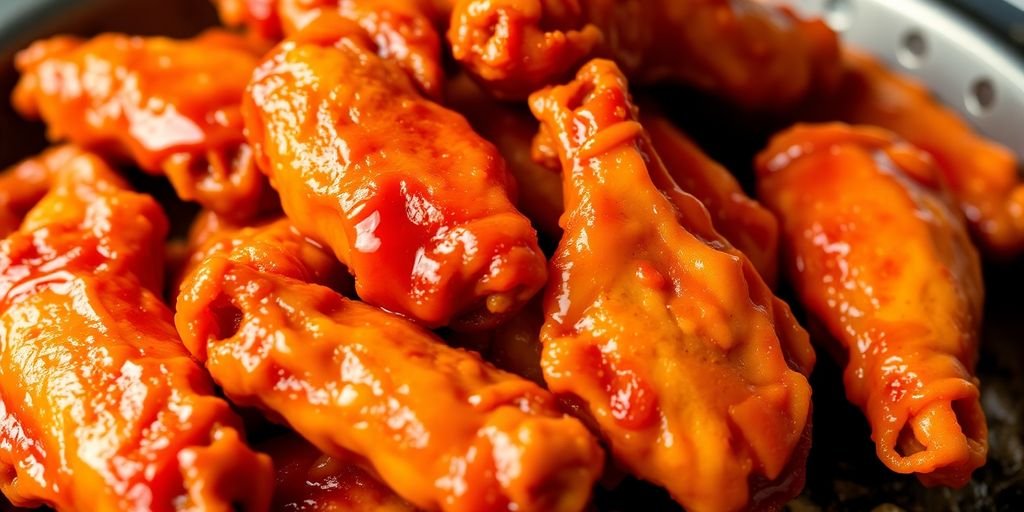
When we think about what goes into our food, especially at a place like Buffalo Wild Wings, it’s natural to wonder about the health side of things. For starters, beef tallow is mostly saturated fat. Now, saturated fat has gotten a lot of attention over the years, and the conversation around it is always changing.
What’s generally understood now is that the quality of the fat and how it fits into your overall diet really matters. Eating fries, no matter how they’re cooked, is usually something most people consider a treat, not an everyday meal. So, it’s about enjoying them in moderation.
Nutritional Aspects of Beef Tallow
Beef tallow is primarily composed of saturated fat, with a significant portion being stearic acid, a type of saturated fat that some research suggests might have a neutral effect on LDL cholesterol.
It also contains monounsaturated fats. While it’s calorie-dense, like all fats, its role in a balanced diet is what’s key. Some studies suggest that replacing certain processed fats with tallow could potentially lead to better health markers, but this is still an area of ongoing research.
For instance, some believe that beef tallow may offer weight loss benefits by boosting metabolism. It’s definitely a different profile than many of the highly processed vegetable oils that have become common in commercial kitchens.
Vegetarian and Vegan Considerations
This is a pretty straightforward point: if you’re following a vegetarian or vegan diet, then foods cooked in beef tallow are off the table. Since tallow is derived from beef fat, it’s an animal product.
This means that any fries or other items cooked in it wouldn’t fit into a plant-based lifestyle. It’s a clear distinction that’s important for people who avoid all animal-derived ingredients.
Allergens and Cross-Contamination
When it comes to common food allergies, beef tallow itself isn’t typically a source of allergens like gluten, dairy, or nuts. It’s essentially just rendered fat. However, the kitchen environment where food is prepared is a different story.
In a busy restaurant setting, there’s always a chance of cross-contamination. This could happen if the same fryers or utensils are used for different types of food that might contain allergens.
So, if you have severe allergies, it’s always a good idea to ask the staff about their preparation methods. It’s better to be safe than sorry, you know?
It’s easy to get caught up in the details of specific ingredients, but when it comes to dining out, understanding the basics of how your food is prepared is really helpful for making informed choices about what you eat.
The Buzz Around Town: Public Perception
Nostalgia and Traditional Flavors
There’s a certain comfort in familiar tastes, isn’t there? For many, the idea of food cooked in traditional fats like beef tallow brings back memories of home cooking or classic diner fare.
It taps into a sense of nostalgia, a longing for flavors that feel authentic and time-tested. This sentiment plays a big role in why people are curious about what goes into their food, especially at popular spots like Buffalo Wild Wings.
People remember or imagine a certain richness and depth of flavor that they associate with these older cooking methods.
Commitment to Quality Ingredients
Beyond just taste, there’s a growing awareness about ingredient sourcing and quality. Consumers are more informed than ever, and they’re looking for transparency from the brands they support.
When a restaurant makes a change that seems to lean towards more traditional or perceived higher-quality ingredients, it can generate a lot of positive buzz. It suggests a commitment to not just flavor, but also to a certain standard of preparation.
This shift towards understanding what’s in our food is a significant part of the modern dining conversation. It’s not just about eating; it’s about making informed choices that align with personal values and health considerations. The discussion around beef tallow in fries is a perfect example of this broader trend, showing how much people care about the details of their meals, even down to the type of fat used for frying.
It’s a sign that people are paying attention to how their food is made, and that’s a good thing for everyone involved in the food industry, pushing for better practices and clearer communication about ingredients. Many are looking for restaurants that are making these kinds of positive changes, and the conversation around Buffalo Wild Wings’ fry fat blend is a big part of that.
Beyond the Fries: Other Culinary Uses for Tallow
While we’ve been talking a lot about fries, beef tallow is actually a pretty versatile fat that can do a lot more in the kitchen. It’s not just for making things crispy; it adds a certain richness that other fats just don’t quite capture.
Enhancing Meats and Eggs
Beef tallow is fantastic for searing steaks. It gets really hot without smoking too much, which helps create a beautiful, browned crust on meats. You can also use it for roasting vegetables, giving them a nice savory edge.
And for cooking eggs? It adds a depth of flavor that butter or vegetable oil can’t really match. It’s a simple swap that makes a noticeable difference.
Applications in Baking and Confit
If you’re into baking, especially savory things like pie crusts or biscuits, tallow can make them extra flaky and flavorful. It’s a traditional ingredient for a reason. It’s also a go-to for making confit, like duck confit, where you slowly cook meat in fat until it’s incredibly tender.
It’s a bit of an old-school technique, but it works wonders. You can find out more about different cooking fats on our site.
Tallow’s high smoke point and rich flavor profile make it a valuable ingredient for various cooking methods, from high-heat searing to slow, tenderizing confits. Its traditional use in many cuisines highlights its effectiveness and unique taste contribution.
So, What’s the Verdict on Buffalo Wild Wings Fries?
After digging into it, it seems like the buzz around Buffalo Wild Wings fries and beef tallow isn’t just talk. While they might not use pure tallow, their use of beef shortening in their fry blend definitely gives those fries that extra something – that rich, savory flavor and crispy texture many people love.
It’s a traditional ingredient that makes a real difference. So, if you’re wondering what makes those fries so tasty, now you have a clearer picture. It’s a smart choice that brings back a classic taste, even if it means they aren’t the best pick for vegetarians. It’s interesting how one ingredient can really change a simple side dish, isn’t it?
FAQs
Are Buffalo Wild Wings fries vegetarian?
Buffalo Wild Wings fries are cooked in a mix of beef shortening and vegetable oil. This means they aren’t suitable for people who don’t eat meat, like vegetarians or vegans.
What kind of oil does Buffalo Wild Wings use for their fries?
Buffalo Wild Wings uses a blend of beef shortening and vegetable oil for their fries. This mix gives the fries their special taste and crispy texture.
Why do Buffalo Wild Wings fries taste so good?
The great taste of Buffalo Wild Wings fries comes from their unique seasoning and the mix of beef shortening and vegetable oil used for frying. This combination creates a rich, savory flavor and a nice crispy texture.
What exactly is beef tallow?
Beef tallow is basically rendered beef fat. It’s made by heating beef fat until it melts and then straining out the solid bits. It’s a traditional cooking fat that adds a rich, savory flavor.
Why is beef tallow good for frying?
Beef tallow is great for frying because it can get very hot without burning, which helps make food crispy. It also adds a deep, savory, almost ‘beefy’ taste that many people enjoy.
Are Buffalo Wild Wings fries healthy?
While tallow adds great flavor, it’s mostly saturated fat. Fried foods like fries are best enjoyed as an occasional treat. Also, since they are cooked in beef fat, the fries are not suitable for vegetarian or vegan diets.

I’m Jasmin Otto — a foody girl who truly loves food. I’m passionate about cooking, exploring new flavors, and sharing healthy yet delicious recipes here on foodieeshe.com. I also love beautiful kitchens and enjoy sharing décor ideas that make cooking spaces warm, stylish, and inspiring.