
So, you’ve got some food coloring tucked away in your pantry, maybe for that next baking project or a fun craft with the kids. You glance at the bottle and see a date, and then the big question pops into your head: does food coloring expire?
It’s a common question, especially since food coloring isn’t something you use every day. Let’s break down what you really need to know about keeping those colors vibrant and safe to use.
Key Takeaways
- Food coloring, especially the artificial kind, generally doesn’t expire in a way that makes it unsafe. The dates on the bottles are usually about quality, not safety.
- Proper storage is key. Keep food coloring in a cool, dark, dry place, away from heat and sunlight, and always make sure the cap is sealed tight.
- Signs that food coloring might not be good to use anymore include noticeable changes in color, a weird smell, or if you see any mold.
- If liquid food coloring dries out, you can often revive it by adding a few drops of hot water and mixing it well.
- Homemade food coloring, made from natural ingredients, might spoil faster and needs to be stored in the fridge and used within a couple of weeks.
Understanding Food Coloring Shelf Life
So, does that little bottle of vibrant color you bought for that one cake project actually expire? It’s a question many of us have when we pull out a bottle that’s been hanging out in the pantry for ages.
The short answer is, generally, no, it doesn’t really ‘go bad’ in the way milk or bread does. Food coloring is mostly made of artificial dyes, water, and stabilizers, none of which are really prone to spoiling.
Think of it like this: it’s not a perishable food item. However, that doesn’t mean it lasts forever in perfect condition.
Does Food Coloring Expire?
Technically, most food colorings don’t expire in a way that makes them unsafe to use. The dates you see on the bottles are often there because manufacturers are required to put them on anything considered a food item. It’s more about quality than safety.
So, while you might not want to use a bottle that’s ten years past its date for a wedding cake, it’s probably still fine for a kid’s playdough project.
How Long Does Food Coloring Last?
When stored properly, food coloring can last for years. Seriously, years. The main things that happen over time are changes in the color’s intensity or consistency. It might dry out a bit, or the color might not be as bright as it once was.
But as long as there’s no mold or weird smell, it’s usually still good to go. Proper storage is key to getting the most out of your colorful little bottles, helping them last longer while maintaining their vibrancy.
If you’re stocking up, it’s good to know you can keep them for a while, similar to how some items can be frozen to extend their shelf life.
The Role of Ingredients in Longevity
The ingredients are what determine how long something lasts. Since food coloring is mostly synthetic dyes, water, and preservatives, it doesn’t have the organic matter that spoils.
This is why it has such a long shelf life compared to, say, a carton of yogurt. Natural food colorings, on the other hand, which are made from fruits, vegetables, or spices, can have a shorter lifespan because those natural ingredients can eventually break down or grow bacteria, especially if not stored correctly.
Why Food Coloring Has Dates
So, you’ve probably noticed that bottles of food coloring, like the ones you might grab for holiday baking or even homemade playdough, often have a date printed on them. It makes sense, right? Most things we buy for the kitchen have one. But here’s the thing: food coloring is a bit different from, say, milk or yogurt.
Because it’s mostly made up of artificial dyes, stabilizers, and a base like water or oil, it doesn’t really spoil in the way that perishable foods do. This means that even if a bottle is past its printed date, it’s usually still safe to use.
Manufacturer Requirements for Food Items
So why the date at all? Well, anything that’s considered a food item, even if it’s just for coloring, is generally required by manufacturers to have some sort of date on it. It’s a regulatory thing, basically.
They have to put a date on it for consumer safety and information, even if the product itself isn’t going to go bad in the traditional sense. Think of it more as a guideline for peak quality rather than a hard-and-fast rule for safety.
Expiration Dates as Quality Indicators
That date on the bottle is really more of a suggestion for when the color might start to fade or the consistency might change. It’s not a sign that the coloring has become unsafe. If you store your food coloring properly, keeping it in a cool, dark place away from direct sunlight and heat, it can last for years.
The main issues you might encounter with older food coloring are a loss of color vibrancy or perhaps the liquid drying out a bit, making it harder to mix. But as long as there’s no mold or weird smell, you’re generally good to go.
You can even find ways to rehydrate dried-out coloring if needed, which is pretty handy. For more on how long liquid food coloring typically lasts, you can check out details on liquid coloring.
It’s easy to get caught up in the idea that once a date passes, something is unusable. But with food coloring, it’s more about maintaining that bright, consistent color you expect, rather than worrying about spoilage.
Signs Your Food Coloring May Have Degraded
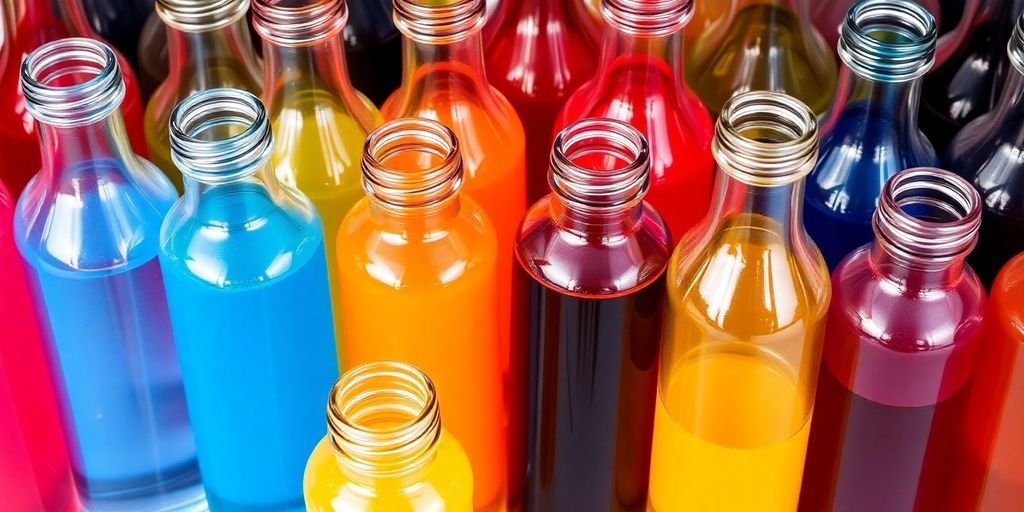
Even though food coloring is pretty stable, it’s not totally immune to changes over time. You might be wondering if that bottle of red you’ve had for ages is still good. The best way to tell is by looking for a few key signs that it might have degraded.
Changes in Color or Consistency
Sometimes, the color itself can start to look a bit off. Maybe that vibrant blue is now a duller shade, or perhaps it’s separated a little. The consistency can also change; it might get thicker, almost like a gel, or even start to harden.
This usually happens if the bottle wasn’t sealed properly or if it’s been exposed to air for too long. It doesn’t necessarily mean it’s unsafe, but it might not give you the punch of color you’re expecting. If you’re aiming for a specific hue, a faded or altered color might just not cut it for your recipe.
Detecting Mold or Unusual Odors
This is the big one. While it’s rare, if you ever see any fuzzy spots or anything that looks like mold, that’s a definite no-go. Mold growth means the coloring is contaminated and definitely not safe to use. Give it a sniff, too. If it smells funky, sour, or just plain weird, it’s probably best to toss it.
Trust your nose; it’s usually right about these things.
When to Discard Food Coloring
So, when is it time to say goodbye to that bottle? If you notice any mold or if it has a really off smell, definitely discard it. Also, if the color has changed so much that it’s unrecognizable or if it’s become so thick and clumpy that you can’t even get it out of the bottle, it’s probably time to let it go.
It’s better to be safe than sorry, especially when you’re baking or cooking for others. If you’re unsure, it’s always a good idea to get a fresh bottle.
Proper Storage for Extended Use
So, you’ve got your food coloring, and you want it to last as long as possible, right? It’s not rocket science, but a few simple things can make a big difference.
Ideal Storage Conditions
Think of your food coloring like a tiny, colorful vampire – it hates light and heat. The best place for it is somewhere cool, dark, and dry. Your kitchen cabinets or pantry are usually perfect spots.
Just make sure it’s not near the oven, stove, or any other appliance that kicks off heat. Extreme temperatures can mess with the color and consistency over time. Keeping it in a stable environment is key to its longevity.
Avoiding Heat and Sunlight
Direct sunlight is a big no-no for food coloring. It can cause the colors to fade or even change. Similarly, heat from cooking appliances can degrade the coloring. So, when you’re putting away your supplies after baking, make sure the bottles aren’t left out on the counter or near a sunny window. It might seem obvious, but it’s easy to forget when you’re cleaning up.
The Importance of Airtight Containers
This is a big one, especially for liquid food coloring. If the cap isn’t on tight, the liquid can evaporate, leading to a thicker, more concentrated color, or even a dried-out mess.
For powdered colors, an open container means they can absorb moisture from the air, which can lead to clumping. Always double-check that the lids are screwed on securely. If you have a bottle that’s a bit leaky, consider transferring the coloring to a smaller, airtight container.
This simple step can prevent a lot of potential problems and help you get the most out of your coloring. For instance, if you have a large bottle of liquid coloring that you don’t use often, transferring a small amount to a tiny dropper bottle can be a good idea, keeping the main supply sealed tight. You can find small glass bottles suitable for this purpose at most craft or baking supply stores. This is a great way to preserve your food coloring for future projects.
Here’s a quick rundown of what to aim for:
- Cool: Aim for temperatures between 50-70°F (10-21°C).
- Dark: Store away from any light sources, natural or artificial.
- Dry: Avoid humid environments like near a sink or dishwasher.
- Sealed: Always ensure the container is tightly closed.
Reviving Dried-Out Food Coloring
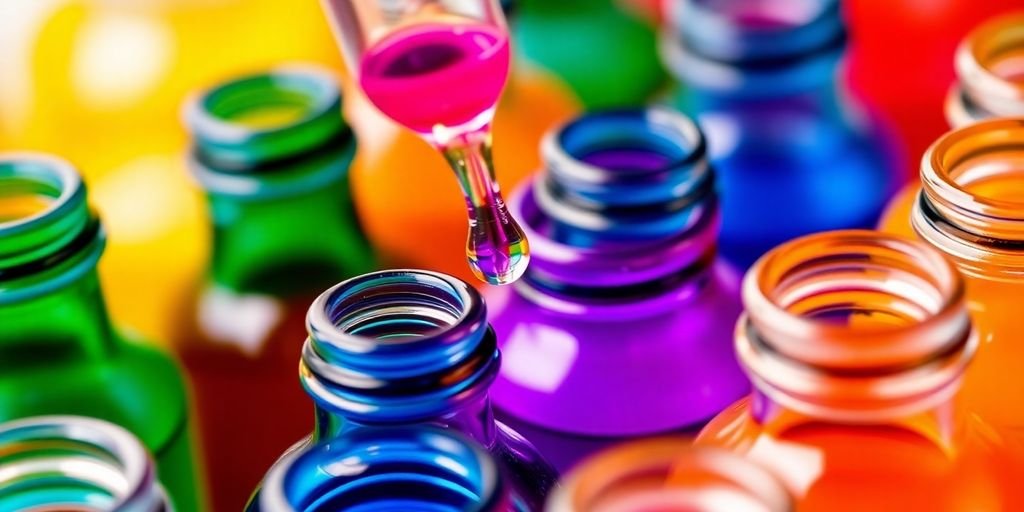
Sometimes, you reach for your favorite food coloring, only to find it’s turned into a solid, unusable brick. Don’t throw it out just yet! There’s a pretty simple fix for most dried-out liquid food coloring.
A Simple Method for Rehydration
The key is a little bit of hot water. Grab the bottle of dried-up coloring. Carefully add just a few drops of hot, not boiling, water directly into the bottle. Give it a gentle swirl or a quick shake. The water should help to thin out the thickened dye, bringing it back to a more usable consistency.
You might need to add a tiny bit more water if it’s still too thick, but go slow – you don’t want to water down the color too much.
When Revival Isn’t Possible
While this trick works wonders for many dried-out dyes, it’s not a magic bullet for everything. If your food coloring has changed color significantly, developed any weird smells, or shows signs of mold, it’s best to let it go. These are indicators that the dye has degraded beyond simple rehydration.
Also, if the coloring was made from natural ingredients, like those you might find from freeze-dried fruits, it might have a shorter lifespan and be more prone to spoilage, making revival less likely. For these, it’s safer to start fresh. You can find some great ideas for using natural colorants at freeze-dried foods.
The Longevity of Different Food Coloring Types
Gel Food Coloring Durability
Gel food coloring is pretty robust. Because it’s concentrated and often contains stabilizers, it tends to hold up well over time. You can generally expect gel food coloring to last for several years past its printed date, provided it’s stored correctly.
It’s less prone to drying out compared to liquid versions, making it a reliable choice for bakers and decorators who don’t use it every single day. Think of it as a long-term pantry staple for your creative projects.
Liquid Food Coloring Considerations
Liquid food coloring, the most common type, is essentially a mix of dye, water or oil, and preservatives. While it doesn’t
Homemade vs. Commercial Food Coloring
When you’re whipping up a batch of cookies or dyeing Easter eggs, you might grab those little bottles of food coloring from the back of the pantry. But what about the homemade stuff you made last spring? It’s a bit different.
Potential Spoilage in Natural Dyes
Homemade food coloring, often made from fruits, vegetables, or spices, doesn’t have the same long shelf life as the commercial kind. Think about it: you’re basically using concentrated plant juices or extracts. These natural ingredients can spoil over time, especially if they weren’t processed or stored perfectly. If your homemade coloring starts to look cloudy, smells off, or shows any signs of mold, it’s definitely time to toss it. Unlike commercial dyes that are mostly artificial colors and stabilizers, natural dyes have organic matter that can break down.
Storage Recommendations for Homemade Colors
Because homemade food coloring is more prone to spoilage, you need to be a bit more careful with how you store it. Commercial food coloring can hang out in your pantry for ages, but homemade versions usually need a cooler, more controlled environment.
- Refrigerate: Always store homemade food coloring in an airtight container in the refrigerator. This slows down bacterial growth.
- Label Clearly: Make sure to label your containers with the date you made the coloring and what it’s made from. This helps you keep track of its freshness.
- Use Within Weeks: Plan to use your homemade colors within a few weeks, maybe up to a month if you’re lucky and it was made very carefully. It’s not meant for long-term storage like its store-bought cousins.
Commercial food coloring is designed for stability, often containing preservatives and synthetic dyes that resist spoilage. Homemade versions, while natural and sometimes preferred, are essentially perishable food products and require more diligent storage to prevent them from going bad.
So, Does Food Coloring Actually Expire?
Alright, so we’ve talked a lot about food coloring and those dates printed on the bottles. The main takeaway here is that most food coloring, especially the liquid and gel kinds you find at the store, doesn’t really ‘go bad’ in the way milk or bread does. It’s mostly made of dyes, water, and preservatives, which don’t spoil easily.
While manufacturers put expiration dates on them, it’s usually about the color staying super vibrant, not about safety. If your food coloring has been stored properly – think cool, dark, and dry – it should still be good to use even past that date. Just give it a quick look and sniff.
If the color looks off, it’s dried out and hard to use, or it smells weird, then it’s probably time to let it go. But if it looks and smells fine, you’re likely good to add a splash of color to your next baking project.
FAQs
Does food coloring actually expire?
Most store-bought food coloring, like liquid or gel types, doesn’t really “go bad” in the way that milk or bread does. It’s mostly made of artificial dyes, water, and preservatives. These ingredients don’t spoil easily. So, while it might have a “best by” date, it’s often still safe to use even after that date.
How long can I expect food coloring to last?
Food coloring can last for a really long time, often years, if stored correctly. The key is to keep it in a cool, dry, dark place, like a pantry or cabinet, and make sure the lid is sealed tightly. Avoiding heat and direct sunlight helps keep the colors from changing.
Why do food coloring bottles have expiration dates on them?
The “expiration” or “best by” dates on food coloring are mostly about quality, not safety. Manufacturers put them on because it’s a food product. While the color might fade or the texture might change over time, it usually won’t become harmful to eat.
How can I tell if my food coloring has gone bad?
Look for changes in its appearance. If the color seems different than it should be, or if the liquid has thickened or dried out, it might not work as well. Also, if you see any mold or notice a strange smell, it’s definitely time to throw it away.
Can I revive dried-out food coloring?
If your liquid food coloring has dried out, you can try adding a few drops of hot water to it and mixing it well. This can sometimes rehydrate it and make it usable again. However, if it’s moldy or smells bad, you can’t fix it and should discard it.
What about homemade food coloring? Does that expire?
Homemade food coloring, especially if made with natural ingredients like fruits or vegetables, can spoil much faster than store-bought versions. If you make your own, it’s best to store it in the refrigerator in a sealed container and use it within a couple of weeks.

I’m Jasmin Otto — a foody girl who truly loves food. I’m passionate about cooking, exploring new flavors, and sharing healthy yet delicious recipes here on foodieeshe.com. I also love beautiful kitchens and enjoy sharing décor ideas that make cooking spaces warm, stylish, and inspiring.